Fitness Smartwatches
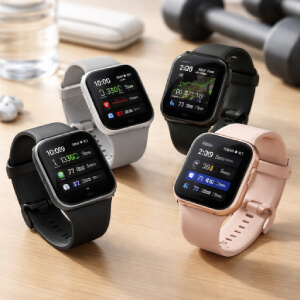
A fitness smartwatch is intended for those users who are serious about capturing their health and activity on a structured and data-driven level. Such wearable sometimes tracker and monitor user steps, heart rate, sleep quality, and, often, estimate calories. Many models can link to mobile phones and apps providing a more complete insight over time to effectively pinpont patterns establishing in lifestyle that will need modification via their routine.
Different choices on smartwatches will list some basic things to expect like fitness gears with workout instructions and GPS activity tracking outside. There are lots of high-end models with a range of blood oxygen and stress monitoring and app integration. Nonetheless, anonymity sometimes guarantees precision. These watches are used by health-conscious but non-intensive users to track their general fitness levels.
Luxury Smartwatches
Luxury smartwatches combine traditional watchmaking aesthetics with modern smart features. These models are often crafted from premium materials such as stainless steel, sapphire glass, or even precious metals. The focus is not only on functionality but also on design, branding, and long-term durability.
While they may include features such as notifications, basic fitness tracking, and connectivity with smartphones, luxury smartwatches usually prioritise style over extensive technical capabilities. They are often positioned as status accessories that offer a balance between classic watch appeal and limited smart functionality. Buyers in this category tend to value craftsmanship, brand heritage, and design consistency alongside digital features.
Kids GPS Watches
Kids GPS watches are built with safety and communication in mind rather than performance or advanced features. These devices allow parents to track their child's location in real time using GPS technology. Many models also include geofencing, which alerts caregivers if the child moves outside a predefined area.
In addition to location tracking, these watches often support basic communication functions such as voice calls or messaging with approved contacts. The design typically prioritises durability and simplicity, with easy-to-use interfaces suitable for younger users. Privacy and data protection are important considerations in this category, and parents are encouraged to review how location data is stored and shared.
Hybrid Smart Watches
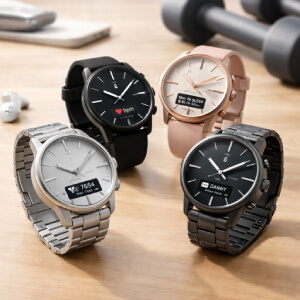
Hybrid smart watches blend the appearance of traditional analogue watches with selected smart features. They usually include physical hands and a classic dial, while incorporating subtle digital functionality such as step tracking, sleep monitoring, or smartphone notifications.
These watches are suited for users who prefer a more understated look but still want some level of connectivity and tracking. Battery life is often significantly longer than that of fully digital smartwatches, as hybrid models consume less power. However, their functionality is typically more limited, making them a compromise between traditional design and modern convenience.
Sport Watches
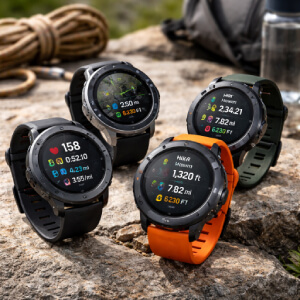
Sport watches are designed for more intensive physical activity and performance tracking. Unlike general fitness smartwatches, they are often built to withstand demanding environments such as extreme weather, water exposure, or high-impact movement. These watches typically include advanced GPS systems, altimeters, and specialised tracking modes for activities like running, cycling, swimming, or hiking.
Battery life is a key consideration in sport watches, especially for users engaging in long-distance or endurance activities. Many models offer extended battery performance compared to standard smartwatches. Data accuracy and reliability are also emphasised, as these devices are often used by athletes or individuals training with specific performance goals in mind.
Choosing the Right Smart Watch for Your Needs
The variety of applications running on today's smartwatches reflects the way people perceive technology and computers in their everyday lives, while serving functions of health tracking, sports monitoring, child safety and structure, or luxury design. A greater understanding of these categories would guide users to have an expectation of devices to perform for use.
Instead of concentrating on only features, it is important for users to look at reliability and the accuracy of the data, considering how is the device interacting with their daily lives. Getting it right improves usability and builds a more secure and responsible approach to wearable technology use.
Quick Links
Researchers Achieve 8cm GPS Accuracy on Smartwatches Through New Algorithm https://t.co/kXIJW5w6tR pic.twitter.com/XKNLPVhuE7
— Nextrift (@nextrift) October 21, 2025
Garmin plans to build its first production base in Southeast Asia with a factory in Thailand that will manufacture smartwatches and GPS navigational devices https://t.co/L9WzyqSbSQ
— Bloomberg (@business) October 30, 2025